

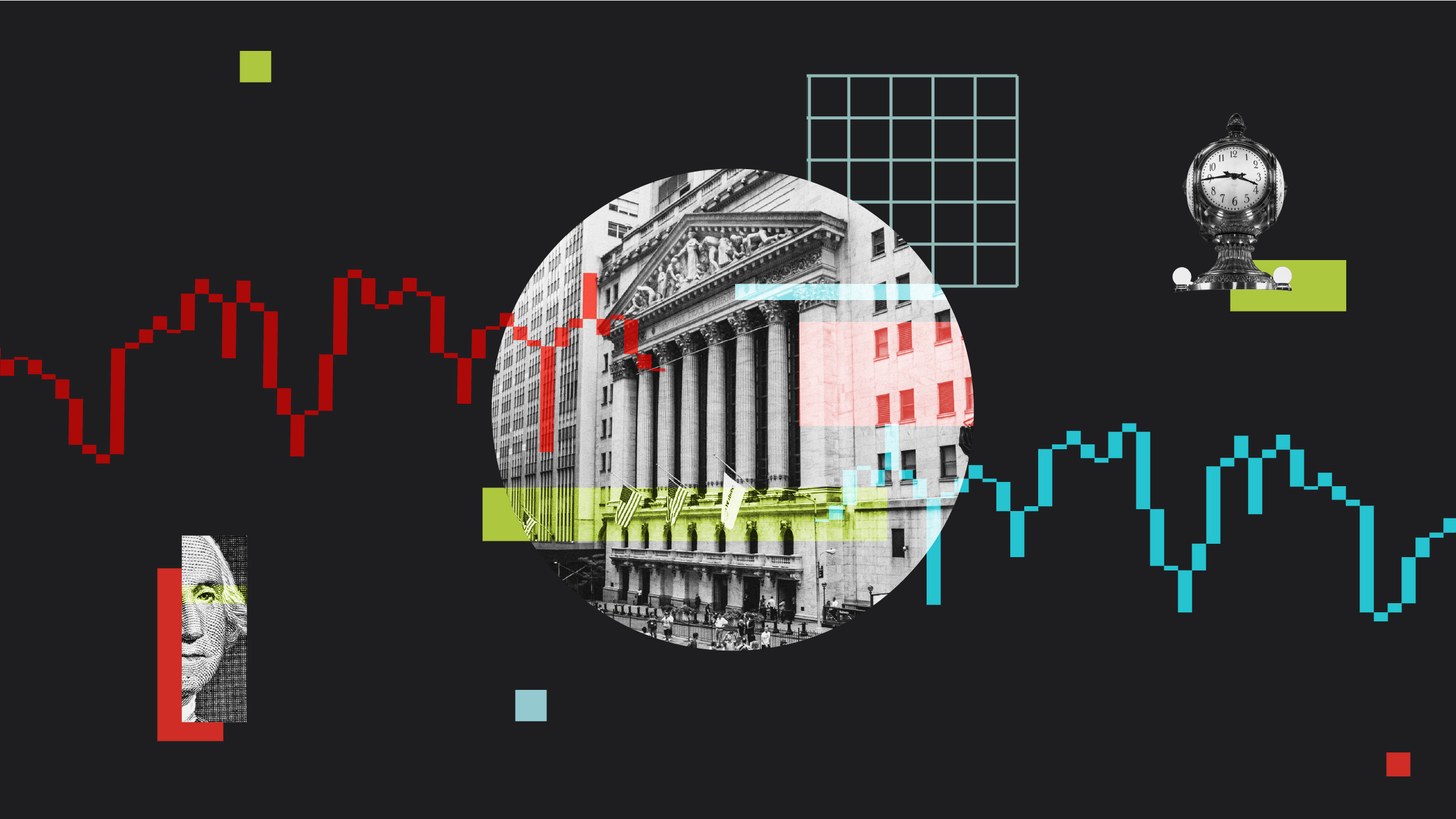
Market volatility is an intrinsic aspect of the financial world that both novices and seasoned investors must grapple with. In this article, we provide an updated perspective on market volatility, dissect its implications, and offer strategies for navigating through the turbulent waters of financial markets.
What is Market Volatility?
Market volatility refers to the rate at which the price of an asset, such as a stock, bond, or commodity, increases or decreases for a set of returns. Volatility is measured by calculating the annualized standard deviation of daily return over a given period of time. It signals the trading activity of the security and helps estimate the fluctuations that may happen in a short period of time.
Factors Influencing Market Volatility
Several factors can influence market volatility. These include economic indicators, geopolitical events, corporate earnings reports, and changes in regulatory frameworks. For instance, a sudden change in the unemployment rate or a surprising election result can drastically influence market volatility. Similarly, a company’s quarterly earnings report can lead to significant price swings in its stock.
Understanding the Volatility Index (VIX)
A key tool for measuring market volatility is the Volatility Index, or VIX. Developed by the Chicago Board Options Exchange (CBOE), the VIX provides real-time market expectations for near-term volatility conveyed by S&P 500 stock index option prices. When the VIX is high, it indicates a higher level of fear among investors, while a low VIX suggests a bullish market sentiment.
Practical Tips to Navigate Market Volatility
-
Stay Informed: Keep yourself updated with the latest market news and economic developments. Understanding the factors influencing market volatility can help you make informed investment decisions.
-
Diversify Your Portfolio: Spreading your investments across a variety of asset classes can help mitigate the risk associated with market volatility.
-
Consider Your Risk Tolerance: Understanding your risk tolerance can help you better navigate through volatile markets. If you are risk-averse, you may want to consider safer investment options during periods of high volatility.
FAQs about Market Volatility
Is market volatility a good thing?
Market volatility is not inherently good or bad. For risk-averse investors, volatility can be stressful, as it leads to uncertainty. For others, especially traders, volatility can present opportunities for profit.
How can I protect my investments during a volatile market?
Diversification, regular portfolio review, and having a long-term investment strategy are key to protecting your investments during a volatile market.
In closing, understanding and navigating market volatility is key to successful investing. It requires continuous learning, staying updated with market trends, and making informed decisions. While volatility can be stressful, it can also open doors to new opportunities. The journey through the financial markets is a marathon, not a sprint. So, stay patient, stay informed, and stay resilient.

Leave a Reply