

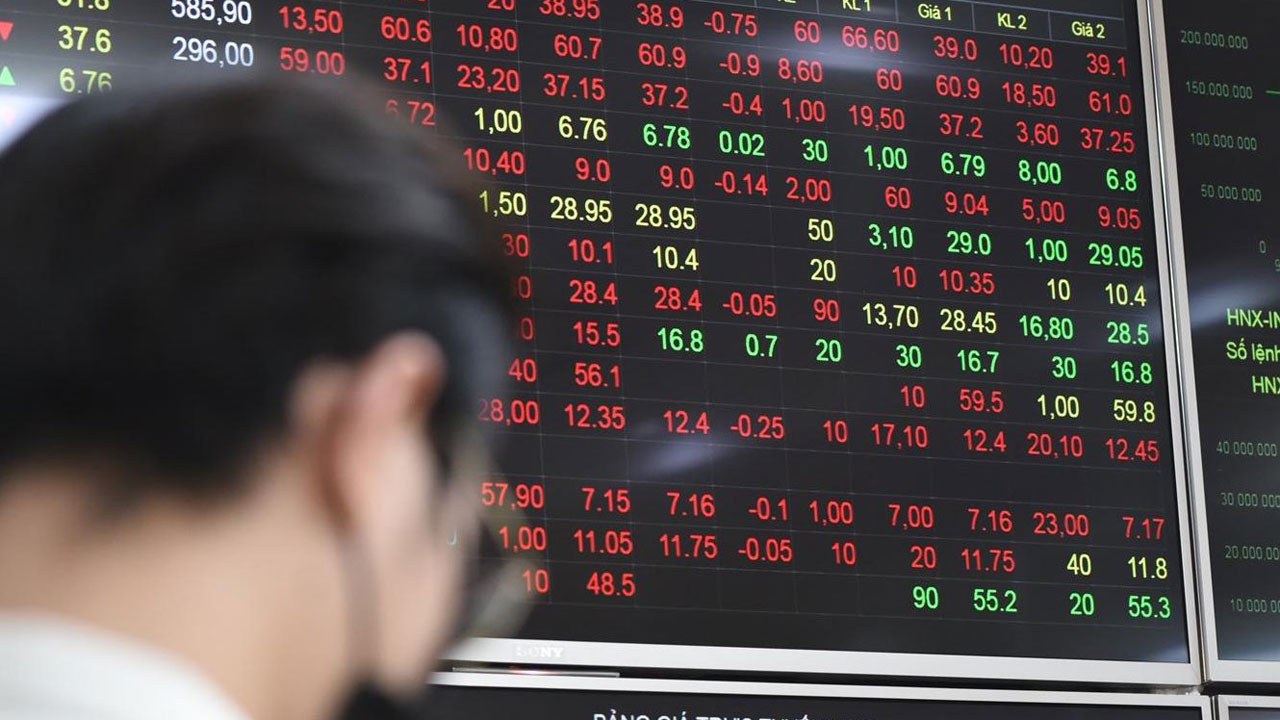
When we speak about the economy, it refers to the vast and complex system of production, distribution, and consumption of goods and services among different entities. Let’s delve into an in-depth overview of the global economy to better comprehend its intricacies and implications.
What is an Economy?
An economy is an area where goods and services are produced, distributed, and consumed. It encompasses everything from the small-scale activities of individual traders to the large-scale operations of multinational corporations and governments. An economy is influenced by various factors, including government policies, market trends, technological advancements, and cultural shifts.
Types of Economies
There are four primary types of economies: traditional, command, market, and mixed. Each type of economy has its own unique characteristics and advantages, as well as disadvantages.
- Traditional Economy: This is an economic system where traditions, customs, and beliefs guide the goods and services the society produces.
- Command Economy: In this type of economy, the government determines what goods and services to produce, how to produce them, and who will receive them.
- Market Economy: This is an economic system where supply and demand guide the production of goods and services. Businesses and consumers decide what they will produce and purchase.
- Mixed Economy: This type of economy combines elements of market and command economies. The government and private sector interact in the production of goods and services.
Key Indicators of an Economy
Several key indicators can help us understand the health and direction of an economy. These include the gross domestic product (GDP), unemployment rate, inflation rate, and interest rates.
The Gross Domestic Product (GDP) represents the total value of all goods and services produced over a specific time period within a country’s borders. It is a comprehensive measure of a nation’s overall economic activity.
The unemployment rate is the number of unemployed people as a percentage of the labor force. It is a significant indicator of economic health, reflecting the number of people looking for jobs.
The inflation rate is the rate at which the general level of prices for goods and services is rising and subsequently, purchasing power is falling.
Interest rates are the cost of borrowing or the reward for saving. They have a significant impact on people’s decision to spend or save, affecting the overall economy.
Practical Tips to Understand the Economy
Understanding the economy requires a grasp of basic economic indicators and concepts. Here are some tips:
- Stay informed about current economic events and news.
- Understand the basic economic indicators and what they signify.
- Read reports from financial institutions and government agencies.
- Follow the stock market trends and commodities prices.
- Learn about the impact of political events on the economy.
Frequently Asked Questions
What is a recession?
A recession is a significant decline in economic activity that lasts for more than a few months. It is visible in industrial production, employment, real income, and wholesale-retail trade.
What is fiscal policy?
Fiscal policy is the use of government revenue collection and expenditure to influence a country’s economy.
How does inflation affect the economy?
Inflation erodes purchasing power – it’s a decrease in the value of currency as the prices of goods increase. Too much inflation can cause uncertainty in the economy, while too little may lead to a slowdown.
Understanding the economy can seem daunting, but with a little time and effort, you can begin to understand the forces that shape our world. Remember, knowledge is power. The more you know about the economy, the better you can navigate its ups and downs.

Leave a Reply