

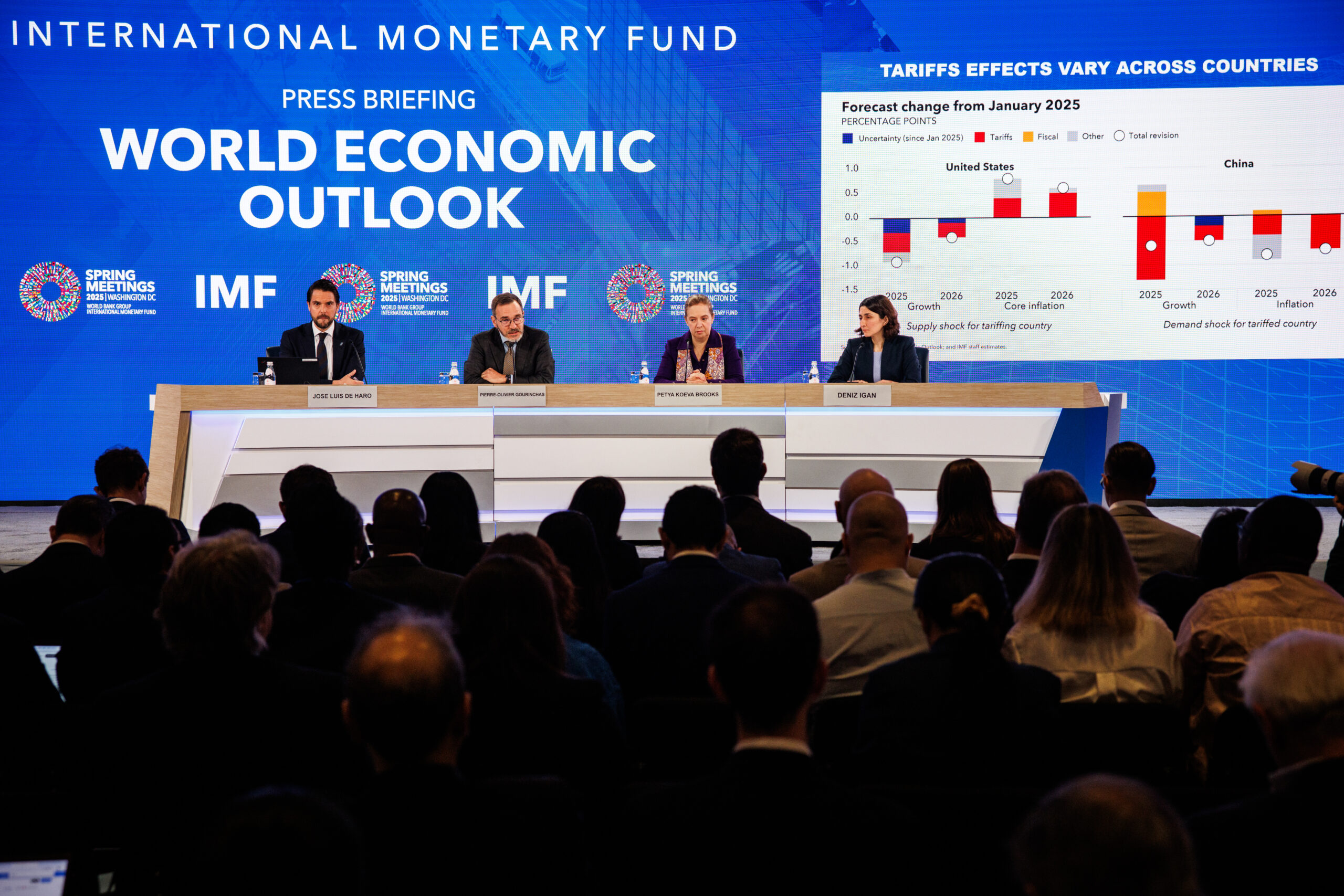
In the world of finance, interest rates play a crucial role. They influence economic growth, inflation, and your personal savings. This article aims to provide a comprehensive overview of interest rates for beginners, breaking down complex financial jargon into understandable language.
Understanding Interest Rates
Interest rates are essentially the cost of borrowing money. It’s the percentage that lenders charge borrowers for the privilege of using their money. Conversely, it’s also the return or yield that investors receive for lending their money. Interest rates fluctuate based on a variety of factors, including economic health and inflation.
Types of Interest Rates
There are several types of interest rates, each with its own unique characteristics and implications for borrowers and lenders.
- Fixed Interest Rates: These rates don’t change over the life of the loan, providing predictability for both borrowers and lenders.
- Variable Interest Rates: These rates can change over time, typically tied to a benchmark interest rate like the Federal Funds rate.
- Prime Interest Rate: This is the rate that banks offer to their most creditworthy customers.
Why Interest Rates Matter
Interest rates are a critical aspect of the economy. Lower interest rates can stimulate economic growth by making loans cheaper, encouraging businesses to invest and consumers to spend. On the other hand, higher interest rates can slow down economic activity by making loans more expensive.
Practical Tips for Navigating Interest Rates
Understanding interest rates can help you make more informed financial decisions. Here are some practical tips:
- Shop around for the best interest rates when looking for a loan or credit card.
- Understand the difference between fixed and variable interest rates and how they can impact your payments.
- Keep an eye on the Federal Reserve’s moves, as they can influence interest rates.
Frequently Asked Questions
What is the current interest rate?
The current interest rate varies depending on the type of loan, the lender, and your credit score. It’s best to check with your bank or lender for the most accurate information.
How do interest rates affect inflation?
Higher interest rates can help slow down inflation by reducing spending and investment. Conversely, lower interest rates can stimulate inflation by increasing spending and investment.
Learning about interest rates can seem daunting at first, but with time and a little effort, it can become a powerful tool in your financial arsenal. Remember, knowledge is power, and understanding how interest rates work can help you make more informed financial decisions.
Leave a Reply