

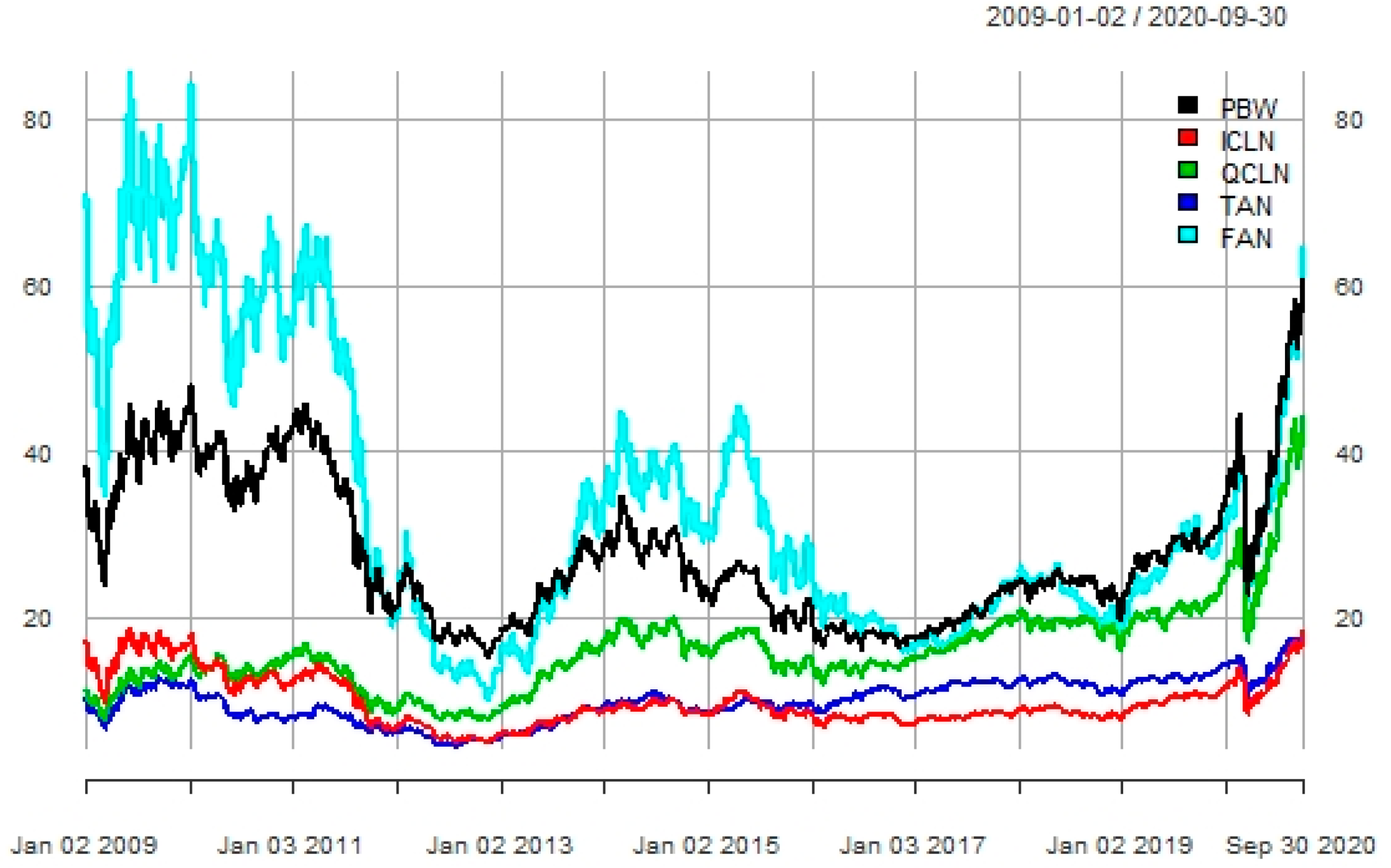
Understanding economic trends is a fundamental aspect of strategic planning, investment decisions, policy making, and even personal finance. Economic trends provide insights into the state of the economy, offering valuable information to businesses, investors, and policymakers alike. In this comprehensive guide, we delve into the intricacies of economic trends, how they are identified, their importance, and how they can guide your decision-making process.
Understanding Economic Trends
An economic trend refers to the general direction in which a nation’s economy is moving. It is usually gauged using economic indicators such as GDP, unemployment rates, inflation rates, and consumer price index (CPI) among others. These trends can be upward (expansion), downward (recession), or sideways (stagnation). Understanding these trends can help individuals and businesses make informed decisions.
Identifying Economic Trends
Determining the direction of economic trends involves analyzing various economic indicators. For instance, a steady increase in GDP indicates economic growth, whereas a decline signals a recession. Similarly, rising inflation or unemployment rates can signal economic downturns. Economists use these indicators to predict future trends and guide policy decisions.
Importance of Economic Trends
Recognizing and understanding economic trends is crucial for several reasons. Businesses can use this information to plan strategically, making decisions about hiring, investing, and marketing. Investors can use economic trends to guide investment decisions, choosing sectors that are likely to prosper in certain economic conditions. Policymakers can use economic trends to formulate policies that promote economic stability and growth.
Practical Tips for Using Economic Trends
Here are some practical tips on how to use economic trends to guide your decision-making process:
- Stay informed: Keep up-to-date with the latest economic news and data.
- Analyze: Learn how to interpret economic indicators and what they mean for the economy.
- Apply: Use the information gleaned from economic trends to guide your decisions, whether they are investment-related, business decisions, or policy-making.
FAQs about Economic Trends
What is an economic trend?
An economic trend refers to the general direction in which a nation’s economy is moving. It can be upward, downward, or sideways.
How are economic trends identified?
Economic trends are identified by analyzing various economic indicators such as GDP, unemployment rates, inflation rates, and consumer price index (CPI) among others.
Why are economic trends important?
Economic trends are important as they offer valuable insights into the state of the economy, and can guide strategic planning, investment decisions, and policy making.
Remember, understanding economic trends is a skill that can be developed over time. By staying informed and understanding how to interpret economic data, you can make more informed decisions that can have a significant impact on your professional and personal life. Stay curious, keep learning, and you’ll find that economic trends can be a powerful tool in your decision-making toolkit.
Leave a Reply