

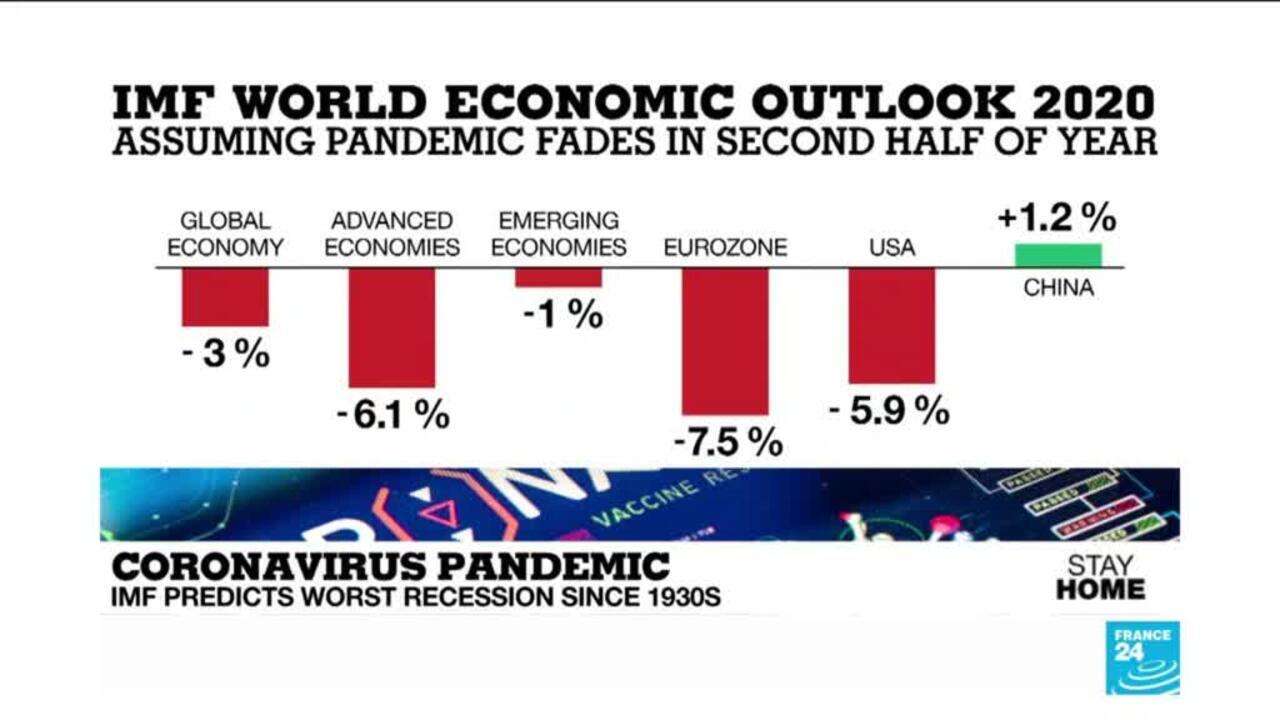
Investing is more than just picking stocks and hoping for the best. It’s a strategic process that requires understanding of various economic indicators and trends. This guide will provide you with the necessary knowledge on how to invest in economic trends, enhancing your investment portfolio’s performance.
Understanding Economic Trends
The first step in investing in economic trends is to understand what they are. Economic trends refer to the general direction in which a nation’s economy is moving. These trends can be identified through various economic indicators such as GDP growth rate, inflation, unemployment rates, consumer confidence index, and more. By understanding these indicators, investors can make informed decisions about where to allocate their resources.
How Economic Trends Impact Investments
In an economy, different sectors are affected differently by various economic trends. For example, during an economic downturn, defensive sectors such as utilities, healthcare, and consumer staples often perform better than cyclical sectors like technology, consumer discretionary, and industrials. By understanding how economic trends impact different sectors, investors can optimize their portfolio allocation to maximize returns and minimize risks.
Investing in Bull and Bear Markets
Investors must also understand how to navigate through different market conditions. In a bull market, where the economy is growing, investors can take a more aggressive approach by investing in growth stocks. On the other hand, in a bear market, where the economy is contracting, investors might want to take a more defensive approach by investing in value stocks or bonds.
Practical Tips for Investing in Economic Trends
- Stay Informed: Keep track of economic indicators and news to stay updated on the current economic trends.
- Diversify Your Portfolio: Spread your investments across various sectors to reduce risk.
- Consider Long-Term Trends: While short-term economic trends can provide investment opportunities, it’s important to also consider long-term trends for sustainable growth.
- Seek Professional Advice: Consult with a financial advisor to better understand the implications of economic trends on your specific investment goals.
FAQs on Investing in Economic Trends
What are some key economic trends to watch?
Key economic trends to watch include GDP growth rate, inflation, unemployment rates, consumer confidence index, and more.
How can I invest in a bear market?
In a bear market, you might want to take a more defensive approach by investing in value stocks or bonds.
What is the importance of diversification when investing in economic trends?
Diversification can help reduce risk by spreading investments across various sectors which can be affected differently by economic trends.
Investing in economic trends can seem daunting, but with the right knowledge and strategy, it can be a powerful tool to increase your financial wealth. Remember, the key to successful investing is not about predicting the future, but about preparing for it. So, stay informed, make thoughtful decisions, and let your investments grow with the economy.
Leave a Reply