

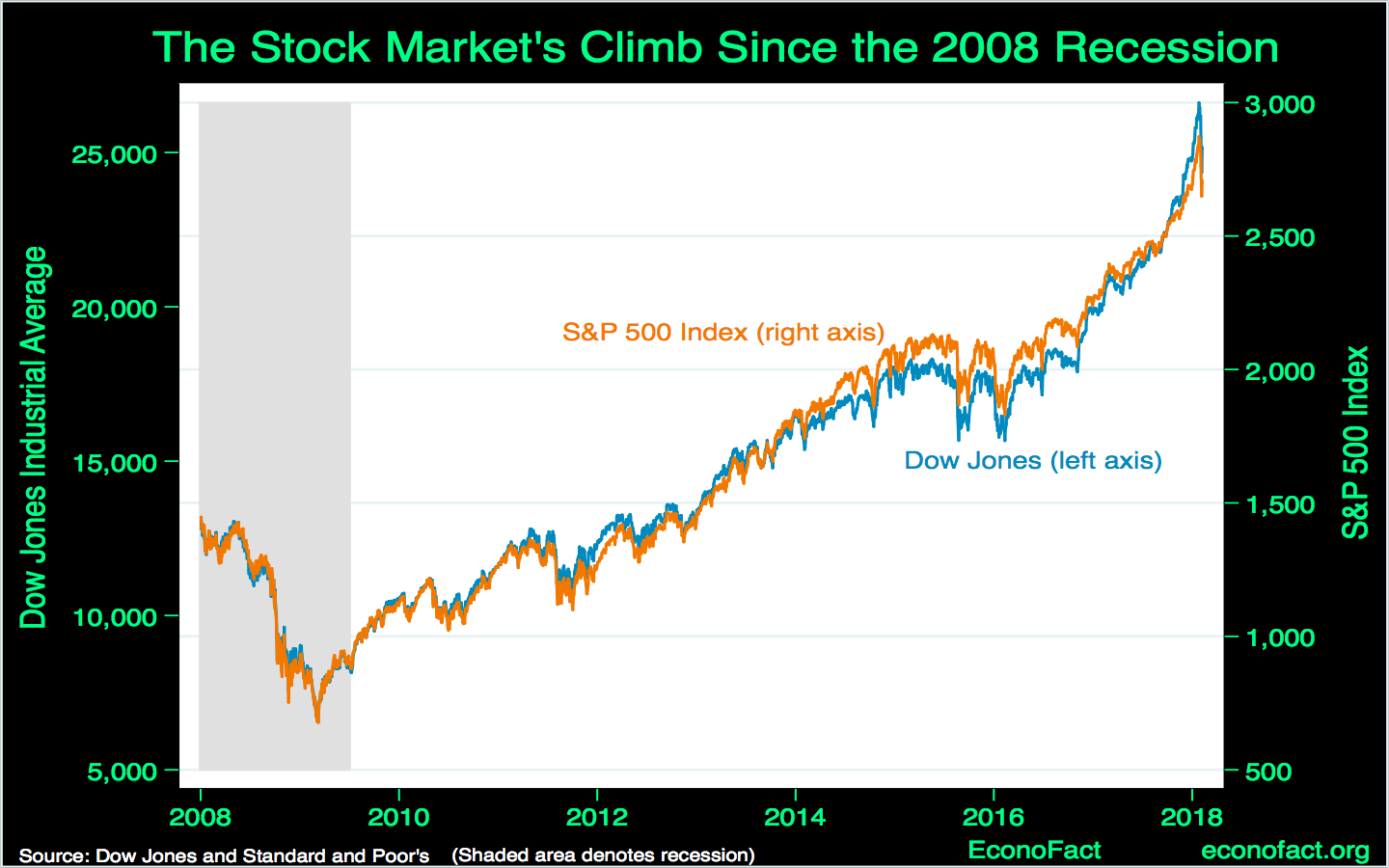
Financial markets are inherently unpredictable, characterized by frequent price fluctuations and changes. These shifts and swings are referred to as market volatility. This article aims to offer in-depth insight into daily market volatility forecasts and how they can be used to make informed financial decisions.
What is Market Volatility?
Market volatility refers to the degree of variation in the prices of financial instruments, commodities, or indices over a specific period. Volatility is typically measured by the standard deviation or variance between returns from a market index or security. High volatility often signifies a turbulent market and is associated with increased risk, whereas low volatility indicates a calm market with less risk.
The Importance of Market Volatility Forecasts
Market volatility forecasts are crucial tools for investors, traders, and financial analysts. They provide valuable information on potential price fluctuations, assisting in making risk assessments and investment decisions. From a trader’s perspective, understanding these forecasts can help in strategizing trading positions, managing risk, and optimizing returns.
Daily Market Volatility Forecast: The Basics
A daily market volatility forecast provides a prediction of how much a security’s price will fluctuate over a single trading day. These forecasts are typically based on historical price data and complex statistical models. They provide an estimate of the expected range of price movement and can assist traders in making decisions about entering or exiting positions, setting stop-loss orders, and managing risk.
Practical Tips for Using Market Volatility Forecasts
-
Stay Informed: Keep up to date with financial news, economic indicators, and market trends. This information can influence volatility and impact forecasts.
-
Understand Your Risk Tolerance: Volatility forecasts can help you assess the risk associated with different investment options. Make sure your investment strategy aligns with your risk tolerance.
-
Use Tools and Resources: Numerous tools and resources can help you understand and interpret volatility forecasts, from financial news outlets to specialized forecasting software.
FAQs on Market Volatility Forecast
What factors influence market volatility?
Several factors can influence market volatility, including economic indicators, geopolitical events, changes in market sentiment, and financial news and events.
How can I use market volatility forecasts?
Traders and investors can use volatility forecasts to manage risk, optimize returns, and make informed decisions about entering or exiting positions.
Are daily market volatility forecasts always accurate?
No, volatility forecasts are not always accurate. They are based on statistical models and historical data, and cannot fully account for unexpected market events or changes in market sentiment.
As we navigate the world of finance with its twists and turns, it’s important to remember that knowledge is power. Understanding daily market volatility forecasts can empower us to make informed decisions and optimize our financial strategy. Keep learning, stay curious, and always strive to make the most out of your financial journey.
Leave a Reply