

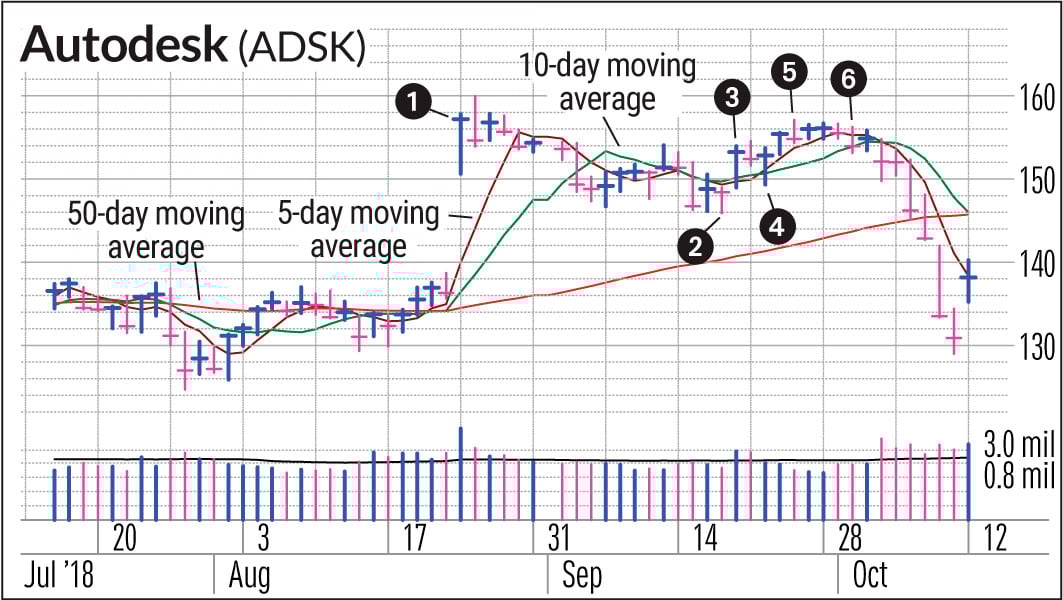
The financial world is a dynamic, ever-changing landscape, and one of its defining characteristics is market volatility. This article aims to explain market volatility and its latest trends in a comprehensive yet easy-to-understand manner.
What is Market Volatility?
Market volatility refers to the rate at which the price of an asset, such as a stock, bond, commodity, or currency, increases or decreases for a set of returns. It is often measured by the standard deviation of the annual return. In simple terms, market volatility is about the speed and degree of change in prices in the market.
The Causes of Market Volatility
Various factors contribute to market volatility. These include economic indicators, geopolitical events, corporate news and changes in the market’s sentiment. Economic indicators like inflation, unemployment rates, and consumer confidence can lead to significant price swings. Geopolitical events and corporate news can also cause sudden shifts in market prices. Lastly, changes in the market sentiment, driven by fear or greed, can result in market volatility.
Understanding Market Volatility Index
The Volatility Index, or VIX, is a real-time market index representing the market’s expectations for volatility over the coming 30 days. Investors use the VIX to measure the level of risk, fear, or stress in the market when making investment decisions.
Latest Trends in Market Volatility
The COVID-19 pandemic has brought about unprecedented levels of market volatility. The rapid spread of the virus, coupled with the global lockdowns and economic fallout, has led to significant market fluctuations. Additionally, the increased use of algorithmic trading has also contributed to increased market volatility. These automated trading systems can execute trades at a speed and frequency that is not possible for human traders, leading to more rapid price swings.
Practical Tips for Navigating Market Volatility
- Stay informed: Keep yourself updated with the latest news and trends in the market.
- Keep a long-term perspective: Despite short-term market fluctuations, the long-term trend of the market is generally upward.
- Don’t panic: Market volatility can be nerve-wracking, but it’s important to avoid making hasty decisions based on fear or greed.
FAQ about Market Volatility
Is market volatility a bad thing?
Not necessarily. While market volatility can lead to losses, it can also create opportunities for profits. It all depends on how an investor manages and responds to volatility.
How can I protect my investment during periods of high market volatility?
One common strategy is diversification. By spreading your investments across a variety of assets, you can mitigate the risk associated with any single investment.
Remember, understanding market volatility is crucial for making informed investment decisions. It can be a powerful tool for those who understand it and a potential pitfall for those who don’t. So, take the time to educate yourself and stay informed.
Leave a Reply