

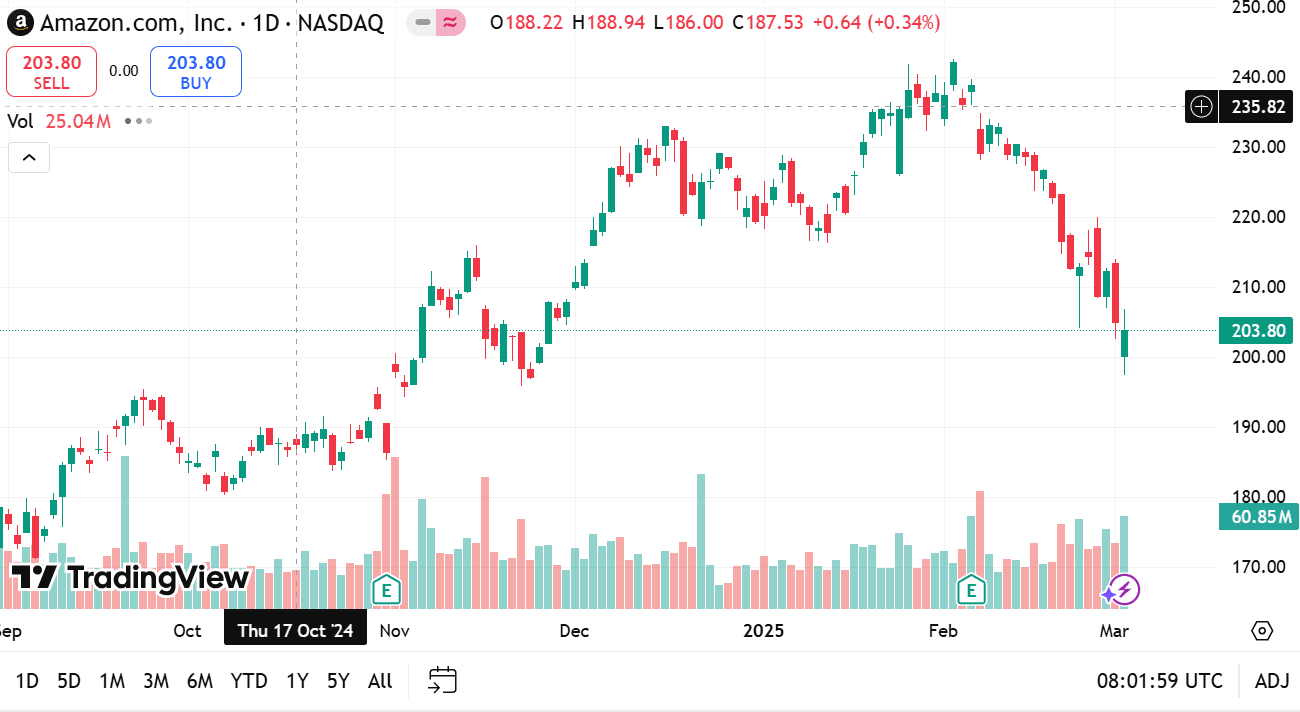
Market volatility is a term that you may often hear, especially if you are involved in the finance or trading industry. This concept is essential to understand, especially for those who want to make informed decisions about their investments. In this comprehensive weekly guide, we will delve deep into the world of market volatility.
What is Market Volatility?
Market volatility refers to the rate at which the price of an asset, such as a stock or commodity, increases or decreases for a set of returns. It is often measured by the standard deviation of the returns. High volatility means that the price of the asset can change dramatically over a short period in either direction. On the other hand, low volatility means that the price changes are minimal.
Factors Affecting Market Volatility
Several factors can cause market volatility. These include economic indicators, geopolitical events, corporate news or results, and changes in market sentiment. Unexpected events, sometimes referred to as ‘black swan’ events, can also lead to high volatility.
Understanding Market Volatility Index (VIX)
The VIX is a measure of market volatility. It is often referred to as the ‘fear index’ as it indicates the market’s expectation of 30-day forward-looking volatility. When the VIX is high, it means that the market expects significant price changes, indicating higher perceived risk.
Practical Tips for Navigating Market Volatility
- Stay calm: Volatility can cause panic, but it is crucial to remain calm and not make impulsive decisions.
- Stick to your plan: If you have a well-thought-out investment plan, stick to it. Reacting to short-term market fluctuations can lead to poor investment decisions.
- Diversify your portfolio: Spreading your investments across a range of assets can help manage risk and reduce the impact of volatility.
- Consider long-term investments: Long-term investments can help ride out periods of high volatility.
FAQs About Market Volatility
What causes market volatility?
Several factors can cause market volatility, including economic indicators, geopolitical events, and corporate news or results. Unexpected events can also lead to high volatility.
What is a volatility index?
A volatility index, such as the VIX, is a measure of market volatility. It indicates the market’s expectation of 30-day forward-looking volatility.
How can I manage market volatility?
Staying calm, sticking to your investment plan, diversifying your portfolio, and considering long-term investments can help manage market volatility.
Understanding market volatility is crucial for any investor or trader. It’s a part of the financial markets that can’t be ignored. However, with knowledge and careful planning, you can navigate market volatility and make informed investment decisions. Remember, the journey of a trader or investor is not a sprint but a marathon. Stay informed, stay patient, and most importantly, stay resilient.
Leave a Reply