

Investing in the stock market can be a daunting task, especially for beginners. There are numerous trading strategies and concepts that one needs to grasp. One of these strategies is swing trading. But what exactly is swing trading in simple terms? Let’s dive into it and break it down for you.
What is Swing Trading?
In simple terms, swing trading is a strategy used by traders to take advantage of price swings or fluctuations in the stock market. Traders who use this strategy buy and sell stocks based on the predicted highs and lows in the market. The aim of swing trading is to make profits from short-term price changes, usually within a few days or weeks.
How Does Swing Trading Work?
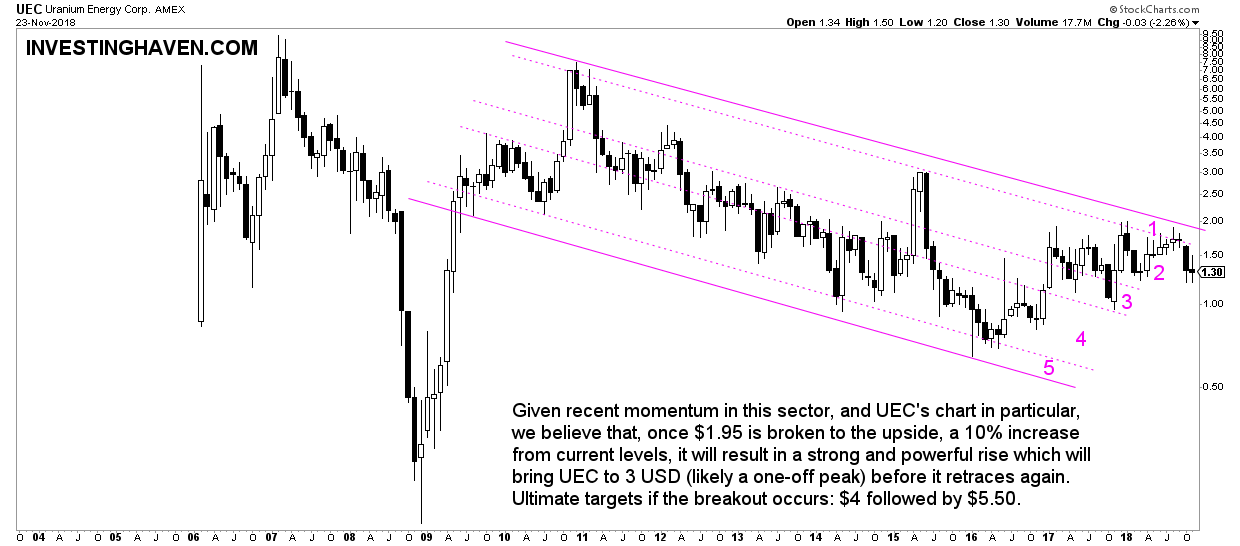
Swing traders are primarily focused on the price trends and patterns in the market. They use technical analysis, a method of evaluating investments by analyzing statistical trends gathered from trading activity, to predict future price movements. They often rely on charting tools to identify these trends and make informed trading decisions.
For example, if the trend indicates that a particular stock’s price is going to rise, a swing trader will buy that stock. Then they will sell it once its price reaches its peak, thus making a profit.
Swing Trading vs Day Trading
Swing trading is often compared to day trading as they both aim to profit from short-term price fluctuations. But there are key differences between the two.
Day trading is a strategy where traders buy and sell stocks within the same trading day. They aim to capitalize on small price movements in highly liquid stocks. On the other hand, swing trading involves holding positions for several days to weeks, aiming to profit from price movements during this period.
Practical Tips for Swing Trading
- Learn to use technical analysis: This is a crucial skill for any swing trader. It involves analyzing price patterns, trends, and indicators to predict future price movements.
- Set a stop loss: This is a predetermined level at which you will sell a stock if its price drops. It helps limit potential losses.
- Be patient: Swing trading requires patience as profits are made over several days or weeks. Don’t rush to make trades; instead, wait for the right opportunities.
Commonly Asked Questions About Swing Trading
Is swing trading suitable for beginners?
Yes, swing trading is suitable for beginners as it doesn’t require constant monitoring like day trading. However, it does require a basic understanding of the stock market and technical analysis.
Can you make money from swing trading?
Yes, you can make money from swing trading, but it’s not guaranteed. Like any investment strategy, swing trading involves risks. It’s important to do your research and use risk management strategies to protect your investment.
How much capital do you need to start swing trading?
The amount of capital required to start swing trading can vary. However, as a general rule of thumb, it’s recommended to start with at least $1,000 to $2,500.
You have now gained a basic understanding of what swing trading is in simple terms. Remember, it’s not a get-rich-quick scheme. It requires understanding, patience, and a good strategy to achieve success.
And remember, life is a journey filled with learning experiences. Don’t be disheartened by failures or setbacks. Instead, see them as opportunities to learn and grow. Keep pushing forward and never stop learning.

Leave a Reply