

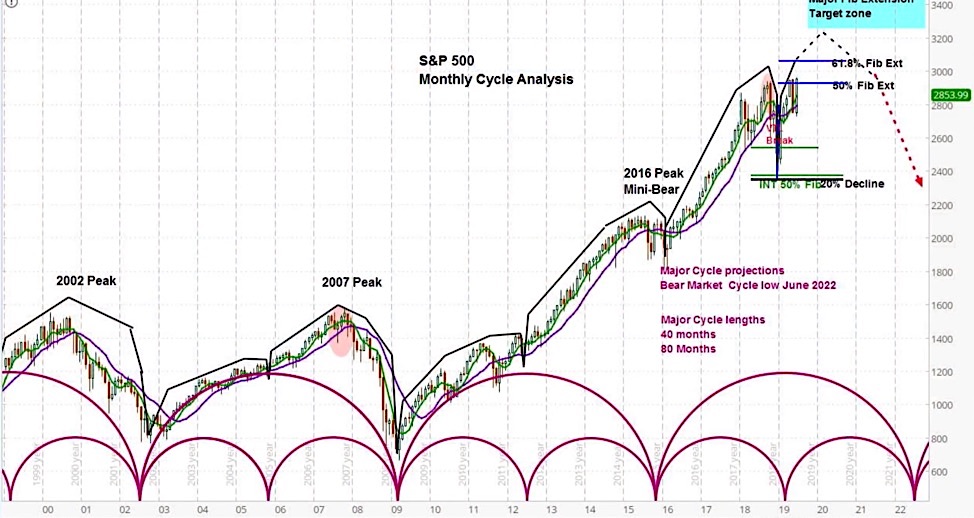
Recessions are a natural part of any economic cycle. However, they are often seen as undesirable due to their negative impact on employment, income, and business profitability. This article aims to shed light on the factors and processes that can lead to a recession in the U.S. It is not intended to advocate for causing a recession, but rather to provide a theoretical understanding of the mechanisms at play.
Understanding the Concept of Recession
A recession is typically defined as a significant decline in economic activity spread across the economy, lasting for more than a few months. It is visible in GDP, income, employment, industrial production, and wholesale-retail sales. The National Bureau of Economic Research (NBER) is the official entity that declares a recession in the U.S.
Factors that Can Cause a Recession
Several factors can contribute to the onset of a recession. These include:
- Over-investment and a subsequent market saturation
- High interest rates that limit borrowing and investment
- Decreased consumer confidence leading to reduced spending
- A financial crisis, such as a stock market crash or housing bubble burst
- Trade wars or other forms of economic protectionism
The Role of Monetary and Fiscal Policies
Inappropriate monetary and fiscal policies can also contribute to a recession. For instance, if the Federal Reserve raises interest rates too high or too fast, it could stifle economic growth. Similarly, if the government cuts spending or raises taxes during an economic downturn, it could exacerbate the recession.
Practical Tips: Preventing a Recession
While the factors that cause a recession are complex and often outside the control of individuals, there are steps that policymakers can take to prevent or mitigate a recession. These include:
- Implementing sensible monetary and fiscal policies
- Maintaining a stable banking system
- Promoting sustainable economic growth
- Fostering international trade and cooperation
Frequently Asked Questions
What is the role of the Federal Reserve in preventing a recession?
The Federal Reserve can help prevent a recession by adjusting monetary policies such as interest rates and the money supply. Lowering interest rates can stimulate the economy by making it cheaper for businesses and consumers to borrow money.
Can a recession be predicted?
While certain indicators can suggest a recession may be imminent, predicting the exact timing and severity of a recession is notoriously difficult. Experts often look at factors such as yield curve inversions, rising unemployment rates, and declining consumer confidence as potential signs of an upcoming recession.
To conclude, understanding the mechanisms that can trigger a recession is crucial for policymakers and economists alike. While a recession may seem like an abstract concept, it has real and often severe implications for individuals and businesses. By studying past recessions and understanding their causes, we can better prepare for and potentially prevent future economic downturns.

Leave a Reply