

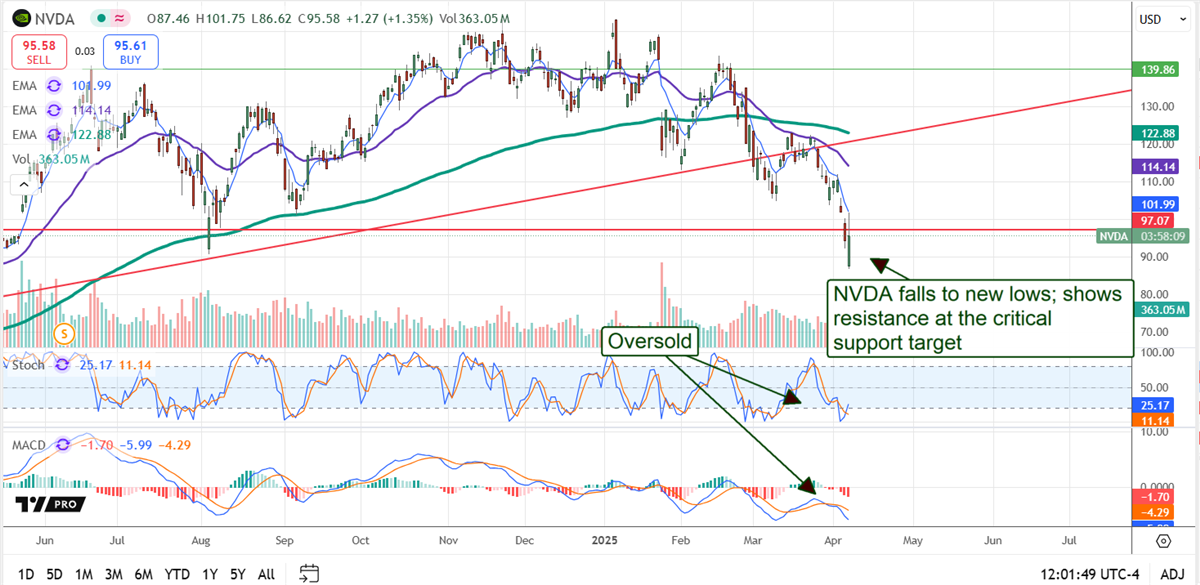
Trading in the financial markets is an exhilarating roller-coaster ride of emotions, requiring a certain level of psychological discipline to succeed. This article delves into the concept of trading psychology and how to apply it effectively to minimize losses and maximize gains.
What is Trading Psychology?
Trading psychology refers to the mental and emotional aspects that dictate an investor’s decisions in the market. It encompasses an array of feelings and behaviors such as fear, greed, regret, and excitement that can significantly influence trading decisions. Understanding and managing these emotions is crucial for successful trading.
The Importance of Trading Psychology
Trading psychology plays a critical role in trading success because it can help traders maintain emotional balance while dealing with the uncertainties of the market. By being aware of their psychological state, traders can avoid making impulsive decisions based on emotions, thereby minimizing potential losses.
Key Aspects of Trading Psychology
There are several key aspects of trading psychology that traders should be aware of. These include emotional control, discipline, risk management, and patience. Emotional control involves managing feelings of fear and greed that can lead to poor trading decisions. Discipline is about sticking to a trading plan and not deviating from it due to emotional pressure. Risk management involves setting a limit to potential losses, while patience is about waiting for the right trading opportunities.
Practical Tips for Applying Trading Psychology
- Develop a Trading Plan: A well-structured trading plan can help manage emotions and maintain discipline. This plan should include specific goals, a clear strategy, and risk management parameters.
- Maintain Emotional Control: Recognize and understand your emotional reactions to market movements. Practice emotional control techniques such as meditation, deep breathing, and taking regular breaks from trading.
- Practice Risk Management: Set stop losses and take profit levels to manage your risk exposure. Never risk more money than you can afford to lose.
- Stay Patient: Avoid jumping into trades out of fear of missing out. Wait for the right trading opportunities that align with your trading plan.
FAQs on Trading Psychology
Why is trading psychology important?
Trading psychology is important because it helps traders manage their emotions, maintain discipline, and make rational decisions in the market. This can help minimize losses and maximize profits.
How can I improve my trading psychology?
You can improve your trading psychology by developing a trading plan, practicing emotional control techniques, implementing risk management strategies, and staying patient.
Can trading psychology help me avoid losses?
While trading psychology can’t guarantee zero losses, it can help you manage your emotions and make rational decisions, which can significantly reduce your chances of incurring heavy losses.
No matter what your trading skills or experience level, remember that success in trading comes from a combination of knowledge, discipline, and emotional control. Take the time to understand and apply trading psychology to navigate the financial markets effectively and minimize potential losses. Remember, every trader experiences losses – it’s how you handle them that defines your success.
Leave a Reply